
Workflow Automation
Achieving Business Efficiency through the Use of Intelligent Automation
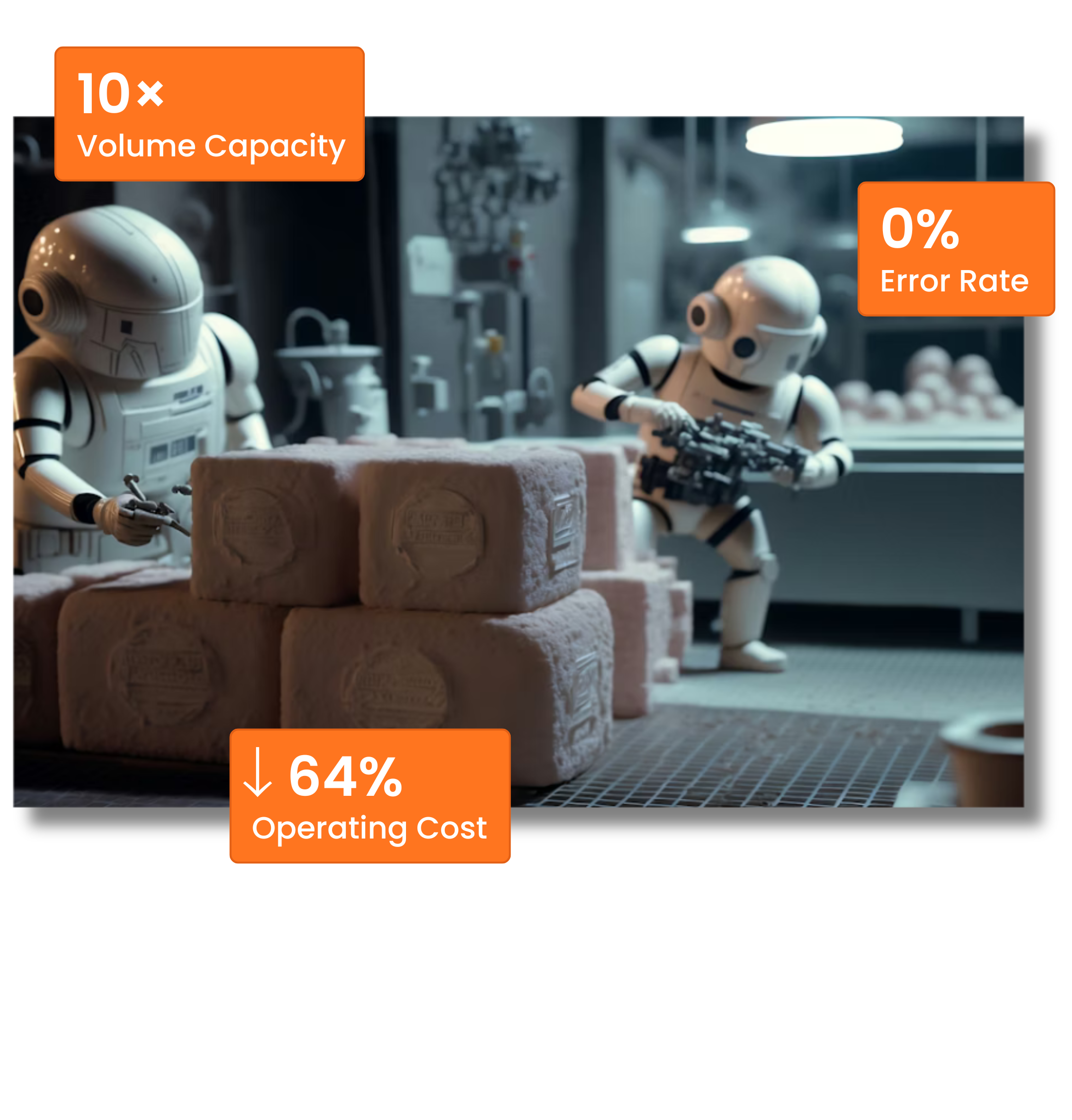
The High Cost of Manual Friction
The invisible brakes in your business are manual processes. These may seem manageable early on, but as operations grow, they become increasingly chaotic and inefficient, slowing down productivity and scalability.
"Swivel Chair" Effect
Are employees constantly switching between multiple CRM, ERP, and email systems just to complete a single routine business transaction or task?
Human Error
Are small mistakes caused by manual data entry leading to costly issues such as incorrect invoices, lost revenue, or operational delays?
Process Latency
Are approvals and decisions getting stuck in inboxes for days, unnecessarily extending your sales cycle and slowing business momentum?
Employee Burnout
Are talented employees spending hours on repetitive data entry instead of focusing on meaningful, strategic, and high-value work?
The Strategic Value of Process Automation
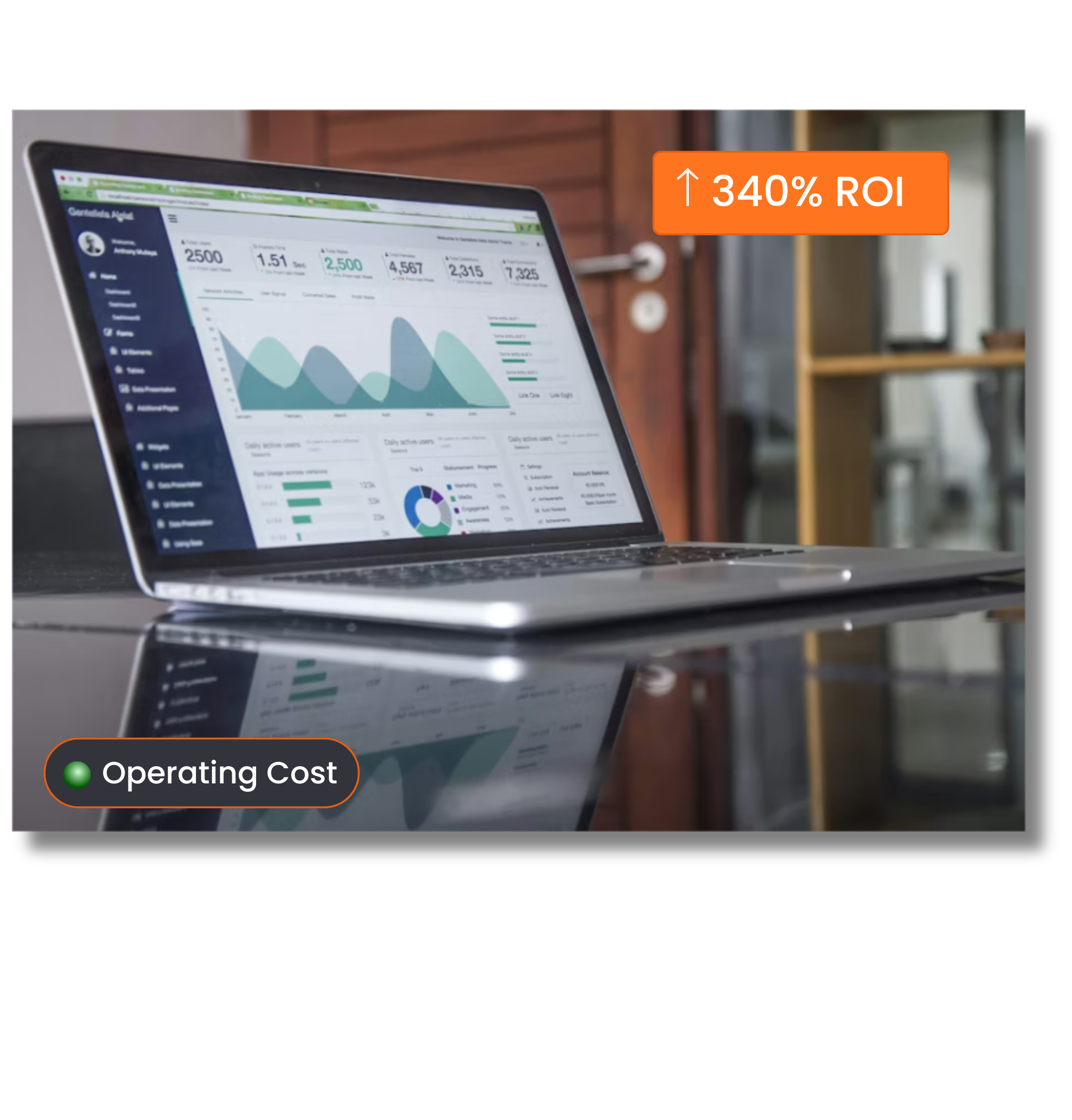
- Increased Productivity: We let your employees do more strategic work, i.e. creative problem solving & building client relationships rather than wasting hours on administrative maintenance.
- Zero-Error Accuracy: There is no room for error (0%) in accuracy with automated systems. Bots are never tired, never distracted, never bored. They do rule-based jobs 100%, eliminating human error when it comes to processing data.
- Cost Reduction: You are going to save money by automating repetitive tasks and by limiting your operating costs. Automation provides you with a fast and measurable return on investment (ROI).
- Enhanced Compliance: Automated workflow records every action taken as part of that workflow according to regulatory requirements and creates a permanent electronic audit trail.
End-to-End Workflow Engineering
Robotic Process Automation
(RPA)
- The Methodology: Our bots can log into multiple applications, read screens, extract and copy data, complete forms, and move files between systems. They operate continuously, performing routine tasks faster and more accurately than manual processes.
- Best For: Legacy systems without API integration, high-volume repetitive data entry, document routing workflows, and back-office process automation across multiple business systems.
Integration of Systems Across the Company
Even well-designed systems create inefficiencies if they operate independently. We integrate your platforms so data flows seamlessly across CRM, ERP, finance, and operational tools.
- The Methodology: Using APIs and secure middleware, we connect different systems so that actions in one platform automatically trigger events in another. For example, closing a sale in CRM can instantly generate invoices and create project tasks.
- Best For: Eliminating duplicate data entry, synchronising operational systems, improving data accuracy, and creating a unified workflow across sales, finance, and project management platforms.
Intelligent Document Processing (IDP)
We automate the processing of unstructured documents such as invoices, contracts, forms, and scanned records using advanced AI-powered extraction technologies.
- The Methodology: By combining Optical Character Recognition (OCR) with Artificial Intelligence, our system extracts relevant data from documents, validates it, and transfers it directly into your database without manual intervention.
- Best For: Automated invoice processing, expense management workflows, document classification, and converting large volumes of paper-based records into searchable digital data.
Complex Approval Management
We digitise and streamline multi-level approval workflows so organisations can manage decisions faster while maintaining full control and transparency.
- The Methodology: Using workflow logic engines, we design automated approval paths based on rules such as department, budget value, project type, or management hierarchy to ensure the right approver reviews each request.
- Best For: Managing contract approvals, purchase requests, budget approvals, leave applications, and complex internal processes that require structured multi-stakeholder decision making.
Automating Success Across Sectors
HR & Recruitment
Automating employee onboarding from offer letter generation & paperwork processing through provisioning system access & training notifications.
Finance & Accounting
Invoice processing, expense report approvals & monthly financial reporting are automated to help streamline the Order-to-Cash cycle.
Customer Service
Automation of lead nurturing sequences, ticket routing and routine follow-up emails to prevent customer queries from getting left behind.
IT & Operations
Automating software deployment, routine data backup,s password resets and routine security compliance checks to allow IT support to spend less time on routine tasks.
Engineering Resilience , Not Just Scripts
- Process-First Approach: We do not automate bad processes. We audit and optimise your workflow first to ensure we are boosting efficiency, not wasting.
- Custom Governance: We develop error handling & “human-in-the-loop” protocols. When faced with an anomaly such as a large figure invoice, the system knows to pause and call a human manager rather than processing it blindly.
- Scalable Architecture: All of our solutions are scalable. They will grow and adapt to your organisation’s needs, regardless of whether you currently process 100 invoices per month or 10,000.
Frequently Asked Questions
What is the purpose of workflow automation?
What are the three important parts of a workflow?
Every resilient automated workflow is built on three core engineering pillars:
- The Trigger: The specific event that starts the process (e.g., “A new invoice arrives in the inbox”).
- The Logic: The pre-defined rules that decide the path (e.g., “If the amount is >$5k, send to CFO; otherwise, auto-approve”).
- The Action: The final execution performed by the bot (e.g., “Upload data to SAP and archive the email”).